
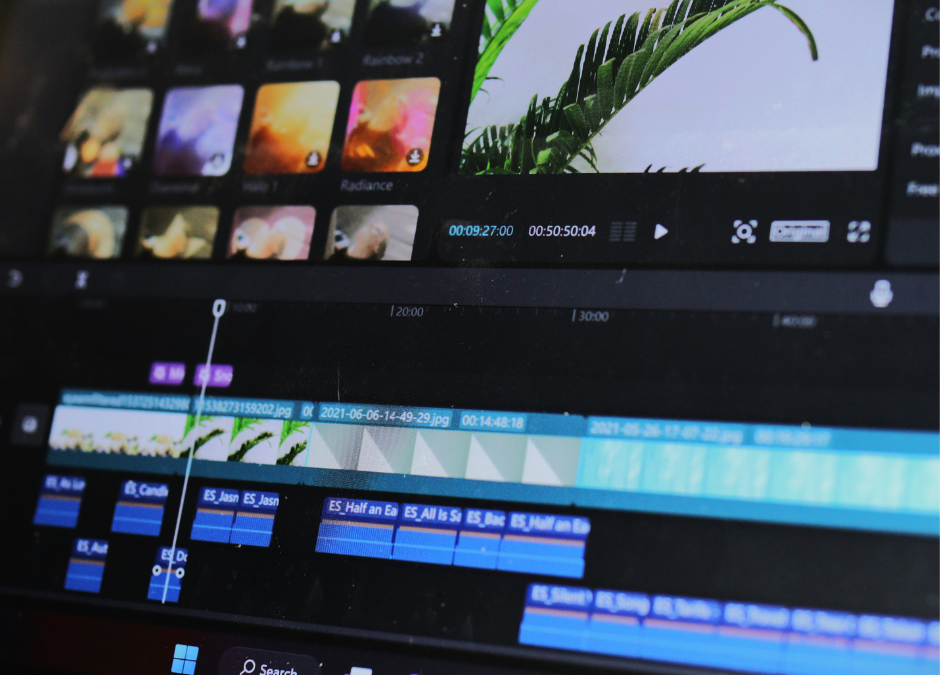
In the digital space, the first few seconds of your video are the most volatile. Whether a viewer clicks away or stays until the end is decided almost instantly. Statistics show that you have roughly three to five seconds to hook an online audience before they scroll past.
Many businesses waste this critical window with long, rotating logo animations, generic corporate stock footage, or slow introductions introducing the speaker’s entire resume. By the time the actual content starts, the viewer is already gone. To keep your audience watching, you need to change how you start your videos.

The Death of the Animated Logo Intro Let’s address the biggest culprit first: the five-second spinning logo intro. While it might feel satisfying to see your company’s branding front and center with slick sound effects, a cold audience doesn’t care about your logo yet; they care about what your video can do for them.
Save the animated logo for the outro, or compress it into a tiny, transparent watermark in the corner of the screen. Your actual opening frame should plunge the viewer straight into the narrative or the value proposition of the video.
Four Hooks That Keep Audiences Watching To replace the slow build-up, you need a deliberate visual or psychological hook. Here are four highly effective ways to start your videos:
- The Question Hook: Open by asking a hyper-targeted question that your ideal customer is actively struggling with. For example: “Why is your business video getting views but zero sales?” This immediately signals to the right viewer that they are in the right place.
- The “Result-First” Hook: Show the final product or the climax of the story in the first three seconds, then rewind to show how you got there. If you’re making a video about a corporate transformation, start with a flash of the packed event or the major milestone.
- The Pattern Interrupt: Start with an unexpected visual, a sudden movement, or a bold statement that breaks the typical rhythm of a scrolling feed. A change in perspective or a unique camera angle forces the brain to pause and pay attention.
- The Direct Promise: Tell the viewer exactly what they will gain by staying. “In the next three minutes, we are going to break down the exact camera settings that will fix your blurry footage.” Clear, concise, and high-value.
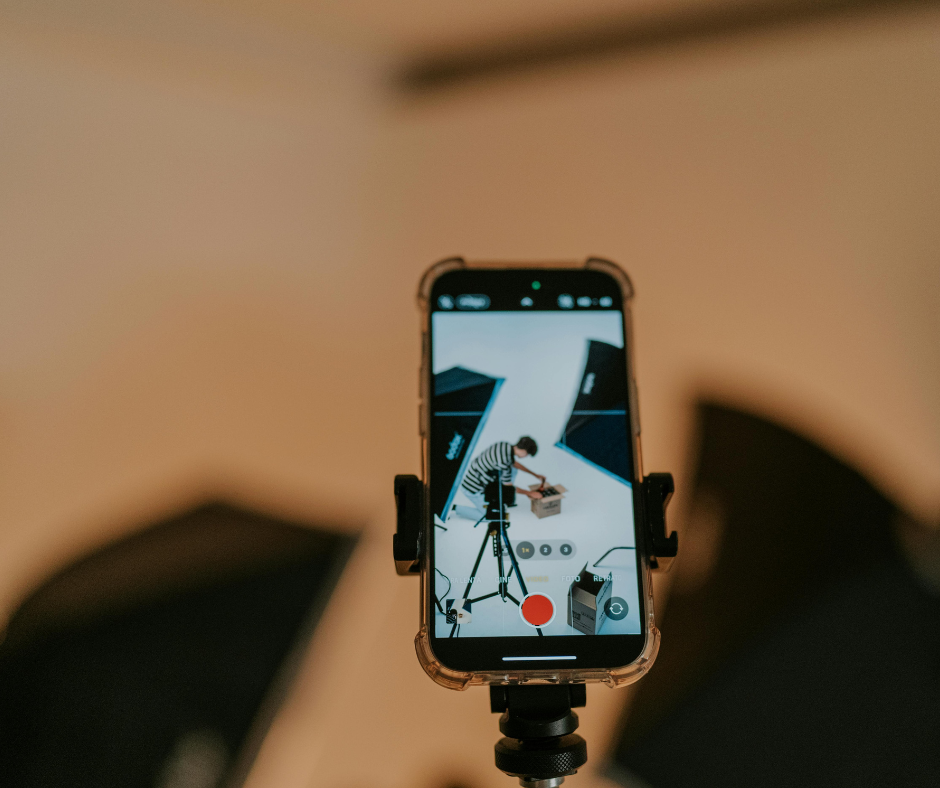
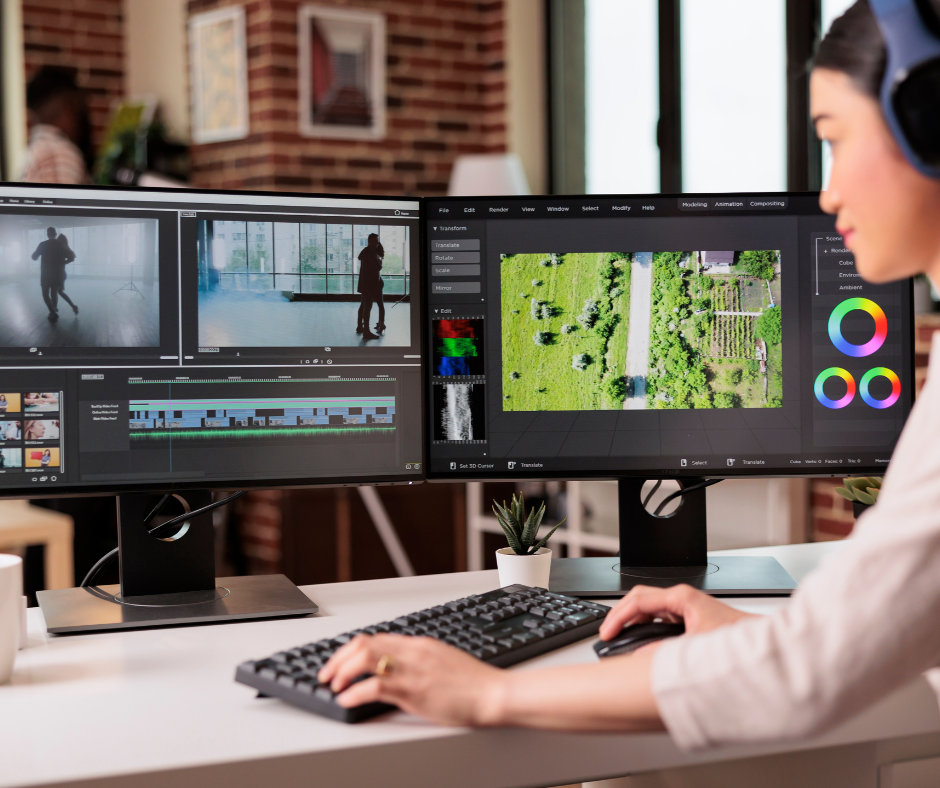
The Power of Visual Momentum A psychological hook is only half the battle; it must be supported by visual momentum. The first three seconds should feature dynamic editing. This doesn’t mean frantic, dizzying cuts, but rather a purposeful combination of tight framing, crisp audio, and deliberate on-screen text graphics.
If your speaker is talking, make sure their delivery is energetic from the very first syllable. Cut out the deep breaths, the “ums,” and the throat-clearing in post-production.
Conclusion Treat the first three seconds of your video as premium real estate. Respect your viewer’s time by leading with value, curiosity, or visual excitement. When you master the art of the hook, your viewer drop-off rates will plummet, and your video engagement metrics will soar.
Final Thoughts
High-quality video doesn’t mean high-dollar gear. With some creativity, basic tools, and smart planning, anyone can tell a powerful story through video — even on a shoestring budget.
Want more video tips or ready to level up your next project? Reach out to the team at Dolphin Video Productions today.
Let’s create something great — together.